
The Therapist’s Toolbox: Common Toys and Materials Used in Play Therapy
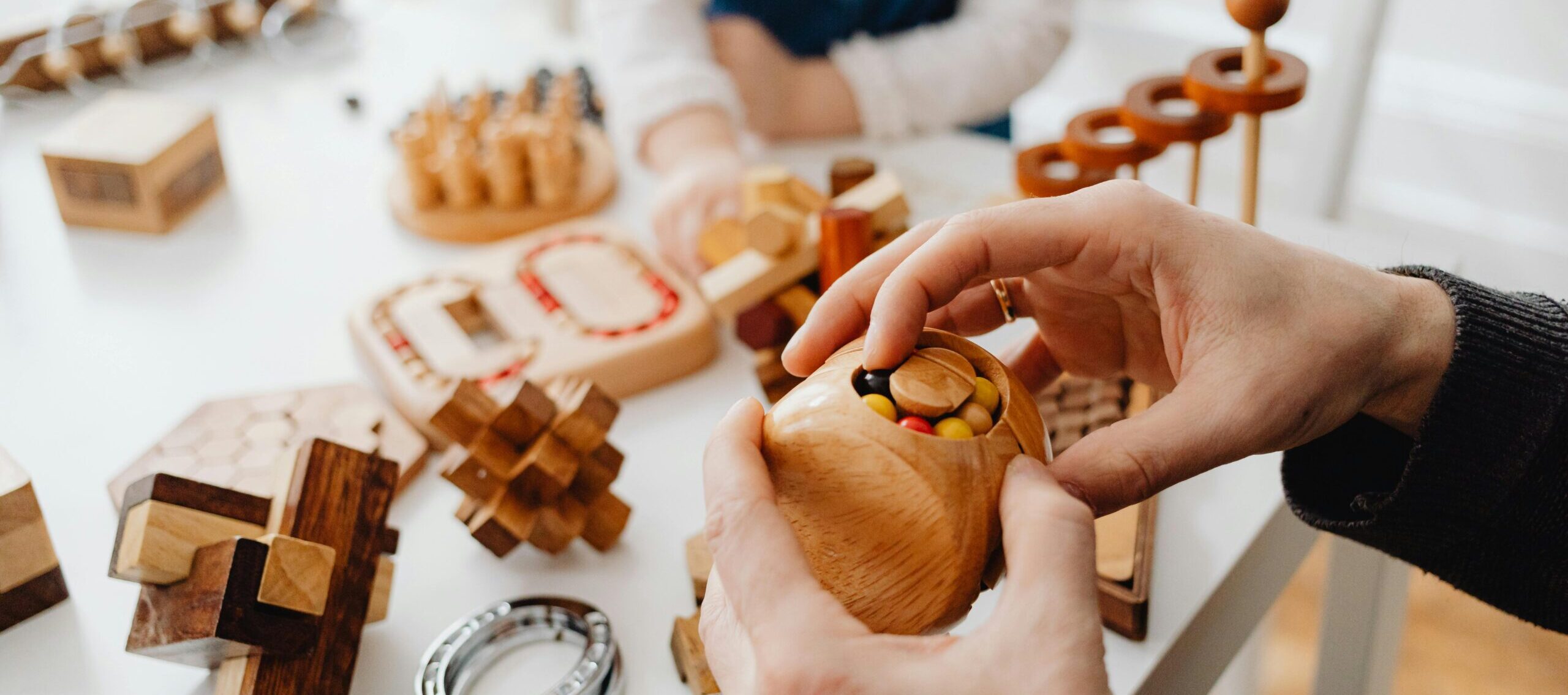
Children often express themselves best through play. For many kids, talking directly about feelings, challenges, or traumatic experiences can be difficult or even impossible. That’s where play therapy becomes an essential tool in a child therapist’s toolbox.
What Is Play Therapy?
Play therapy is a structured approach that allows children to explore their thoughts and emotions in a developmentally appropriate way. Rather than relying solely on verbal expression, play therapy creates a safe environment where children can express their inner world through toys, art, and imaginative activities.
Therapists guide the process by observing and engaging in the child’s play to help them process emotions, build coping strategies, and improve social or behavioral skills. Through these sessions, children often make sense of experiences that they may not yet have the language or maturity to articulate.
Who Can Benefit from Play Therapy?
Play therapy is most commonly used with children between the ages of 3 and 12. However, it can also benefit older children and teens with developmental delays or emotional regulation challenges. This approach is especially helpful for children who are experiencing:
- Anxiety or depression
- Grief or loss
- Trauma or abuse
- Divorce or family changes
- Behavioral issues
- Social difficulties
- Attention-deficit/hyperactivity disorder (ADHD)
Parents often notice improved emotional regulation, fewer outbursts, better communication, and stronger family relationships as their child progresses through play therapy.
Common Toys and Materials in the Play Therapy Toolbox
Every toy and tool in a therapist’s office is selected with purpose. These items are more than just entertainment. Rather, they’re essential for helping children process emotions, rehearse real-life situations, and gain a sense of control in a safe setting. Some of the most commonly used items using during play therapy include:
Dolls and Figurines
Miniature figures, including family sets, superheroes, and animals, allow children to act out real-life scenarios or imaginary situations. They’re often used to explore family dynamics, personal relationships, or experiences the child may not feel comfortable discussing directly.
Sand Tray and Miniatures
The sand tray is a cornerstone of play therapy. Children use figures and small objects to build scenes in a tray of sand. This open-ended activity allows them to externalize inner thoughts and feelings and gives therapists a window into the child’s perspective.
Art Supplies
Crayons, markers, clay, and paint provide outlets for creative expression. Art helps children process feelings without needing to use words and gives therapists insight into emotions that may otherwise go unspoken.
Puppets
Puppets offer a playful way for children to express themselves indirectly. A child may feel safer voicing feelings through a puppet, which creates emotional distance and reduces anxiety around sensitive topics.
Building Blocks and Construction Toys
These items help children develop problem-solving skills, express creativity, and work through frustration. Building something and watching it fall can be a metaphor for dealing with failure or resilience.
Therapeutic Board Games
Games designed for emotional education help children learn about topics such as anger management, coping skills, or empathy in a fun, engaging way. Games also allow therapists to observe social skills and emotional reactions in real time.
Books and Storytelling Props
Children’s books and storytelling kits introduce themes like loss, anxiety, or friendship and give kids a springboard to talk about their own experiences. Reading and storytelling can help normalize difficult emotions and promote healing.
Helping Your Child Thrive, One Session at a Time
At Joyful Living Behavioral Health, we believe every child deserves a chance to thrive emotionally, socially, and mentally. Our experienced therapists use the tools of play therapy to meet children where they are and help them grow into their best selves.
If your child is facing emotional or behavioral challenges, play therapy could be an effective path forward. Contact us today to schedule a consultation and learn how we can help your child and family find balance, connection, and healing.